
Team motivation strategies for new leaders are targeted actions and consistent behaviors that inspire employees to perform at their best, stay engaged, and commit to shared goals. Motivated teams achieve higher engagement, retention, and productivity when leaders build systems around clarity, psychological safety, recognition, autonomy, and purpose. The challenge for new leaders is not finding the right words. It is building the right habits before the team decides whether to trust you. This guide gives you a practical, research-backed framework to do exactly that.
1. How can new leaders establish trust as the foundation for motivation?
Trust is the single prerequisite for every other motivation strategy. Without it, recognition feels hollow, autonomy feels risky, and feedback gets ignored.
79% of employees rank transparency as the most important trait in a new leader, ranking it above competence, vision, and charisma. That number tells you where to spend your first weeks: being honest about what you know, what you do not know, and what you are working to figure out.

New leaders often rush to prove their worth through immediate action. Successful leadership begins with listening and mapping team dynamics before acting. The instinct to show up with answers is understandable, but it signals to your team that you value your own agenda over their experience.
A practical structure that works is the 90-day roadmap:
- Days 1–30: Listen. Run one-on-ones with every team member. Ask what is working, what is broken, and what they wish leadership understood. Take notes. Do not fix anything yet.
- Days 31–60: Deliver quick wins. Identify one or two blockers your team mentioned and remove them. Establish a regular feedback cadence. Show that listening leads to action.
- Days 61–90: Set vision. Share where you see the team going. Co-create norms rather than imposing them. Leaders who co-create culture gain stronger team ownership and motivation than those who arrive with a pre-written playbook.
Following through on small commitments builds the credibility that makes larger leadership moves land. Break one promise in the first 30 days and you will spend the next 60 recovering.
Pro Tip: In your first one-on-ones, ask each team member: "What does a great week look like for you?" Their answers will tell you more about what motivates them than any personality assessment.
2. What motivational techniques balance autonomy and accountability?
Autonomy is not a perk. Self-determination theory identifies autonomy, competence, and relatedness as the three core human needs that drive motivation. When any one of these is missing, motivation collapses, especially after setbacks or when team members feel overlooked.
The practical application is straightforward: set clear outcomes, then let your team decide how to reach them. Define what success looks like by a specific date. Leave the execution path open. This approach gives people ownership over their work, which is a far stronger motivator than any office perk.
Perks like snacks do not solve systemic motivation problems. Leaders who focus on removing obstacles and clarifying roles see real, lasting engagement. The distinction matters because many new leaders mistake surface-level gestures for genuine motivation systems.
To balance autonomy with accountability, apply these practices:
- Define outcomes, not methods. Tell your team what the goal is and by when. Let them own the how.
- Use regular progress check-ins. A brief weekly update keeps accountability visible without micromanaging.
- Remove blockers actively. Ask in every check-in: "What is slowing you down?" Then act on the answer.
- Clarify roles explicitly. Ambiguity about who owns what kills motivation faster than a heavy workload.
- Avoid over-correcting. Granting autonomy and then pulling it back when results are slow destroys trust. Set realistic timelines and hold them.
The goal is a team that feels trusted and supported at the same time. Those two things are not in conflict. They require clear communication and consistent follow-through from you.
3. How should new leaders use recognition and feedback to motivate teams?
Recognition is one of the most underused and most misused tools in a new leader's kit. Vague praise like "great job" becomes background noise within weeks. It signals that you noticed something happened but not what or why it mattered.
Effective recognition follows the SBI formula: Situation, Behavior, Impact. Instead of "great job on the presentation," say "In yesterday's client meeting (Situation), you answered the pricing objection directly and calmly (Behavior), which kept the deal moving forward (Impact)." That specificity tells your team member exactly what to repeat.
Employee-led one-on-ones make employees 3.6 times more likely to feel motivated. The format matters: the employee sets the agenda, you listen and ask questions, and you leave with a clear list of what to act on. This structure shifts the dynamic from performance review to genuine support conversation.
Pro Tip: Start every one-on-one with a genuine positive observation before moving to any challenge or request. This is not flattery. It is a trust signal that tells your team member you see their contributions, not just their gaps.
Additional recognition practices that sustain motivation:
- Celebrate small wins publicly. A team channel shoutout for a milestone reached costs nothing and builds momentum.
- Encourage peer recognition. Ask team members to call out a colleague's contribution in weekly meetings. It distributes the culture of appreciation beyond you.
- Tie recognition to team goals. When you connect individual behavior to a shared outcome, you reinforce both personal value and collective purpose.
- Give feedback promptly. Recognition loses power when it arrives two weeks late. Deliver it within 24 hours of the behavior whenever possible.
4. Why aligning work with purpose sustains long-term engagement
Purpose alignment is the practice of connecting daily tasks to the organization's larger mission. Employees who see how their work advances a meaningful goal stay engaged longer and perform at a higher level than those who view their work as a series of disconnected tasks.
The most direct way to build this connection is through storytelling. Share a customer success story in your next team meeting. Explain how a project your team completed changed a real outcome for a real person. Numbers on a dashboard rarely motivate. A specific story about impact does.
Purposeful work drives intrinsic motivation, which outlasts any external reward. Bonuses and promotions create short spikes in performance. A team member who believes their work matters shows up differently every single day.
Personalize meaning by understanding what each team member values. One person may care deeply about professional growth. Another may be motivated by community impact. A third may want to build a specific skill. Your job as a leader is to connect their individual goals to the team's work wherever that connection is genuine.
- Ask about individual goals. In one-on-ones, ask: "What are you hoping to build or learn in this role?" Use the answer to shape how you assign and frame work.
- Share strategic context regularly. Brief your team on how their work fits into the company's direction. Do this monthly, not just at annual reviews.
- Highlight mission moments. When a team effort directly advances the company mission, name it explicitly. "What we shipped last week directly contributed to X" is a sentence worth saying out loud.
- Avoid relying on material incentives alone. Pay and perks set a floor. Purpose builds the ceiling. Use both, but do not confuse them.
5. What structural habits keep motivation high over time?
True motivation is a leadership system, not a feeling. It is built through consistent behaviors and clear structures repeated week after week. New leaders who rely on inspiration alone will find their team's energy fluctuates with their own mood.
The habits that sustain motivation over time include:
- A weekly leadership rhythm. Hold consistent one-on-ones and a brief team check-in every week. Consistency signals stability, which is a prerequisite for psychological safety.
- Psychological safety as a practice. Psychological safety enables teams to share ideas, admit mistakes, and challenge decisions without fear. Build it by modeling vulnerability: admit when you are wrong, ask for input before deciding, and thank people for raising concerns.
- Authentic positivity. Positive leaders avoid toxic positivity by acknowledging difficult emotions while maintaining an overall constructive tone. Pretending problems do not exist destroys credibility faster than the problems themselves.
- Progress celebrations. Recognize forward movement, not just final results. A team that only hears feedback at project completion loses motivation during the long middle stretch.
- Data-informed adjustments. Track engagement signals: attendance at optional meetings, participation in discussions, and quality of work submitted. When signals drop, address them directly rather than waiting for a formal review cycle.
The sense of belonging your team feels is a direct result of these structural habits. It does not emerge from a single team-building event. It grows from dozens of small, consistent actions that tell each person: you are seen, you are valued, and you belong here.
Pro Tip: Block 30 minutes every Friday to review your week as a leader. Ask yourself: Did I follow through on every commitment? Did I recognize someone specifically? Did I remove at least one blocker? This habit keeps your leadership system honest.
Key takeaways
The most effective team motivation strategies for new leaders combine trust-building, specific recognition, genuine autonomy, purpose alignment, and consistent structural habits into a repeatable leadership system.
| Point | Details |
|---|---|
| Trust comes first | Transparency and follow-through build the credibility that makes every other strategy work. |
| Autonomy requires clarity | Set clear outcomes, then let your team own the execution path. |
| Recognition must be specific | Use the SBI formula: Situation, Behavior, Impact to make praise meaningful. |
| Purpose sustains engagement | Connect daily tasks to organizational mission through stories and regular context-sharing. |
| Motivation is a system | Consistent weekly habits, psychological safety, and data-informed adjustments keep motivation high over time. |
What I have learned about motivating teams as a new leader
The biggest mistake I see new leaders make is confusing urgency with leadership. They arrive with a plan, a vision, and a strong desire to prove they deserve the role. Then they start talking before they have earned the right to be heard.
The leaders who build genuinely motivated teams spend their first 30 days asking more questions than they answer. They treat the first weeks in a leadership role as a research phase, not a performance. That restraint is harder than it sounds, especially when your own manager is watching for results.
The other thing I have seen consistently: perks are not a motivation strategy. A team with unclear roles, no psychological safety, and a leader who does not listen will not be fixed by a catered lunch. The leaders who get this right focus on removing friction, not adding fun.
Co-creating norms with your team rather than handing them down is the move that separates good leaders from forgettable ones. When people help build the rules, they follow them. When rules arrive from above, people comply at best and resist at worst. The 90-day roadmap is not just a timeline. It is a philosophy: earn the right to lead before you exercise the authority to direct.
— Drew
How Leaderlyapp supports new leaders building motivated teams
New leaders rarely lack motivation themselves. What they lack is a structured way to develop the habits that motivate others.
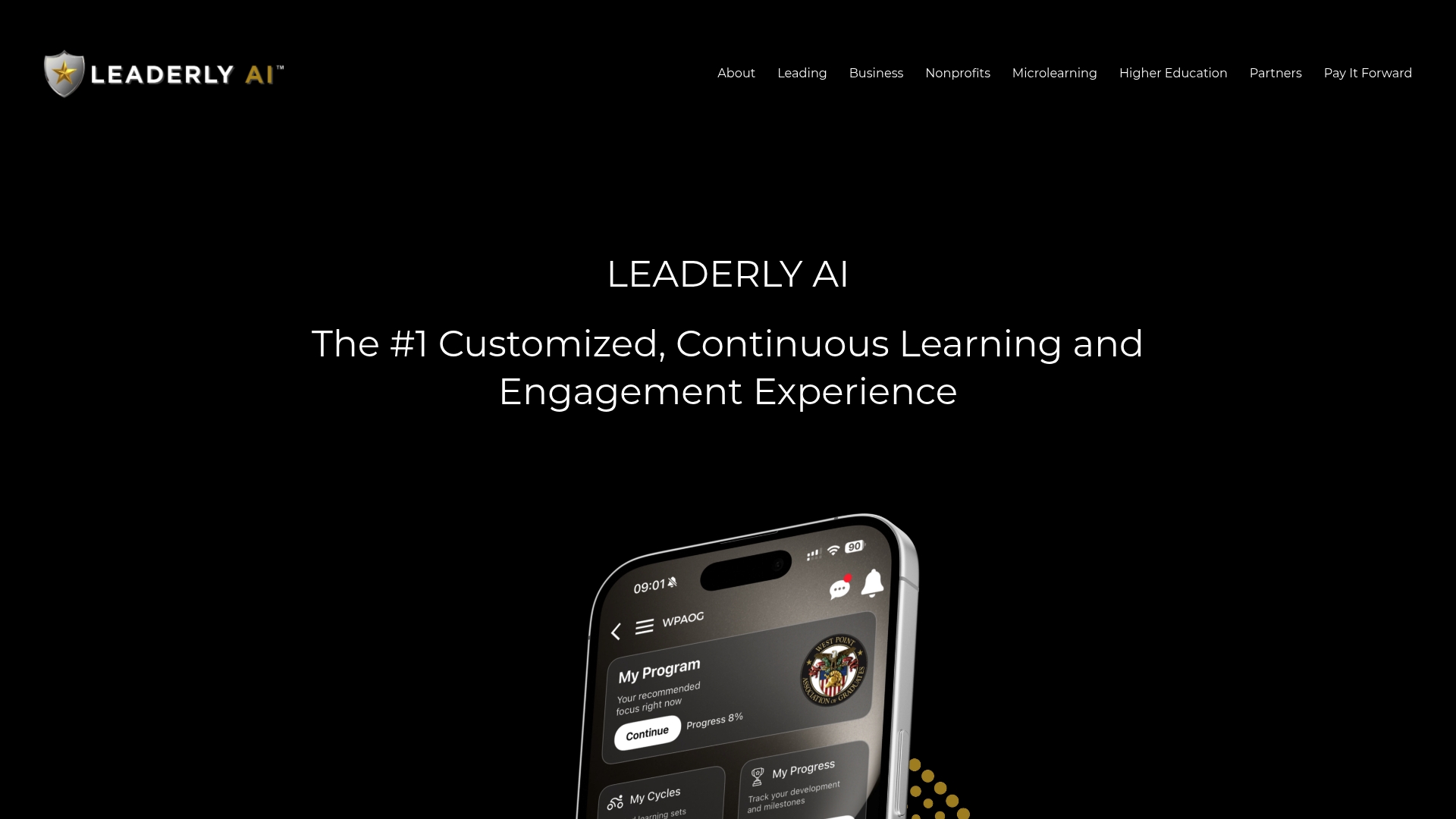
Leaderlyapp delivers personalized microlessons built on behavioral science, designed specifically for leaders at every stage of their development. The platform's AI-driven content adapts to your leadership journey, covering feedback techniques, trust-building, and team engagement in short, practical sessions you can apply the same day. Whether you are navigating your first 30 days or refining your leadership communication skills, Leaderlyapp gives you the tools to build a motivation system that lasts. Start building your leadership habits with Leaderlyapp today.
FAQ
What are the most effective team motivation strategies for new leaders?
The most effective strategies combine transparency, specific recognition using the SBI formula, autonomy with clear outcomes, and consistent one-on-ones. Research shows employee-led one-on-ones make employees 3.6 times more likely to feel motivated.
How long does it take to build a motivated team as a new leader?
The 90-day roadmap gives new leaders a practical timeline: 30 days listening, 30 days delivering quick wins, and 30 days setting shared vision. Motivation builds gradually through consistent action, not a single initiative.
Why is transparency so important for inspiring teams as a new leader?
79% of employees rank transparency as the most important trait in a new leader. Honesty about what you know and do not know builds the trust that makes every other motivation strategy effective.
What is the difference between perks and real motivation?
Perks like snacks or social events address surface-level satisfaction. Real motivation comes from removing obstacles, clarifying roles, and connecting work to purpose. Leaders who focus on systemic clarity see lasting engagement that perks alone cannot create.
How does psychological safety affect team motivation?
Psychological safety allows team members to share ideas, admit mistakes, and raise concerns without fear of judgment. Teams with high psychological safety show stronger motivation, more creativity, and better performance over time.